Teaching Personal Safety, Self‑Defense and First Aid Skills in Moscow
Why teach these skills in Moscow now?
Moscow is a large, dynamic city—crowded metros, busy streets, tourists, and long winter nights create everyday risk points. Teaching personal safety, practical self‑defense, and basic first aid empowers residents, workers, students and visitors to avoid harm, respond confidently when incidents happen, and reduce the severity of injuries before professionals arrive.
*Benefits:* increased confidence, fewer panic reactions, faster and more effective emergency responses, stronger community resilience.
Target audiences
— Children and teenagers (schools, after‑school clubs)
— University students and foreign students
— Women’s safety groups
— Workplace teams and service staff (retail, hospitality)
— Seniors (fall prevention, cold‑weather care)
— Community centers and parents
Core curriculum (modular, can be adapted)
1. Personal Awareness & Risk Reduction
— Situational awareness and attention management
— Common Moscow risks (crowds, pickpockets, late‑night routes, icy sidewalks)
— Travel safety: metro, buses, taxis, bike/scooter use
— Digital safety (e.g., protecting personal data, scams)
2. Verbal De‑escalation & Boundary Setting
— Assertive communication, voice & body language
— Setting and maintaining boundaries
— When and how to attract attention safely
3. Practical Self‑Defense (non‑escalatory, proportionate)
— Balance, stance, escape-focused techniques
— Simple, high‑percentage moves: breakaways, wrist releases, creating distance
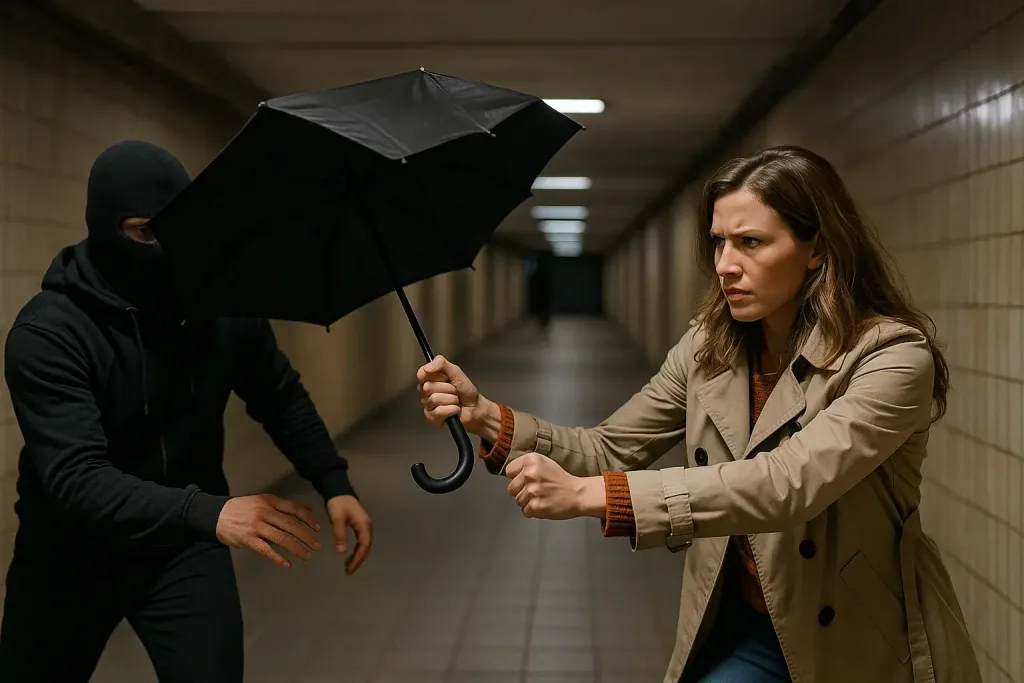
— Using everyday objects for defense (phone, bag) safely
— Safe practice protocols and progressive training
4. Legal & Ethical Framework
— Basic overview of legal limits on self‑defense (proportionality, necessity)
— Reporting incidents: how and when to contact police (102) / ambulance (103) / universal emergency (112)
— Documenting and preserving evidence
5. First Aid & Emergency Response
— Primary survey (check safety, response, breathing)
— CPR and AED basics (compression‑only options, when AED available)
— Controlling severe bleeding (direct pressure, wound packing)
— Managing choking, shock, burns, hypothermia, fractures
— How to call for help and give concise information
6. Contextual Topics (seasonal and location‑specific)
— Winter hazards: frostbite, hypothermia, slips on ice
— Large‑event crowd safety
— Travel & tourist safety (language tips, embassy contact)
Sample session formats
— 2‑hour community workshop: awareness + basic self‑defense drills + hands‑on first aid scenarios
— Half‑day (4 hrs) corporate session: workplace threat assessment, de‑escalation, evacuation basics
— Weekly course (6 sessions): progressive self‑defense curriculum + certification in basic first aid/CPR
— School module (3 x 45 min): age‑appropriate safety, stranger awareness, emergency calling practice
Teaching methods that work
— Scenario‑based drills and role plays (realistic but controlled)
— Small‑group hands‑on practice with instructor correction
— Repetition of simple, high‑utility skills (escape, bleeding control, CPR compressions)
— Visual aids and checklists for quick recall
— Use of simulators (CPR manikins), bandages, and protective equipment
— Video review and constructive feedback
Instructor qualifications & partners
— First aid/CPR instructors certified by recognized bodies (local Red Cross chapters, Russian Resuscitation Council, or certified EMS trainers)
— Self‑defense coaches with formal experience and liability insurance (sports clubs, judo/kickboxing/k Krav Maga schools)
— Partnerships to consider: Moscow Red Cross, local police precincts (UVD), municipal community centers, university safety offices, EMERCOM outreach programs
Equipment & materials
— CPR manikins and AED demo unit
— First aid kits, tourniquets, wound dressings
— Mats for safe practice, gloves, eye protection
— Printed/translated handouts (Russian and English if teaching international groups)
— Mobile checklist cards (what to do in first 5 minutes)
Safety, legal and ethical considerations
— Prioritize escape and avoidance over fighting; emphasize proportionality.
— Screen participants for medical issues; obtain consent and waivers for physical training.
— Maintain hygienic practices for manikins and shared gear.
— Keep incident reporting procedures and emergency contacts visible during every session.
— Advise participants to consult legal counsel or local police for specifics about self‑defense law and consequences.
Measuring success
— Pre/post confidence and knowledge surveys
— Practical skill tests (CPR compression depth/time, simulated escape scenarios)
— Follow‑up refresher sessions and community drills
— Track real‑world outcomes and feedback to refine curriculum
Quick practical tips for Moscow residents (actionable)
— Carry a charged phone; save emergency numbers (112