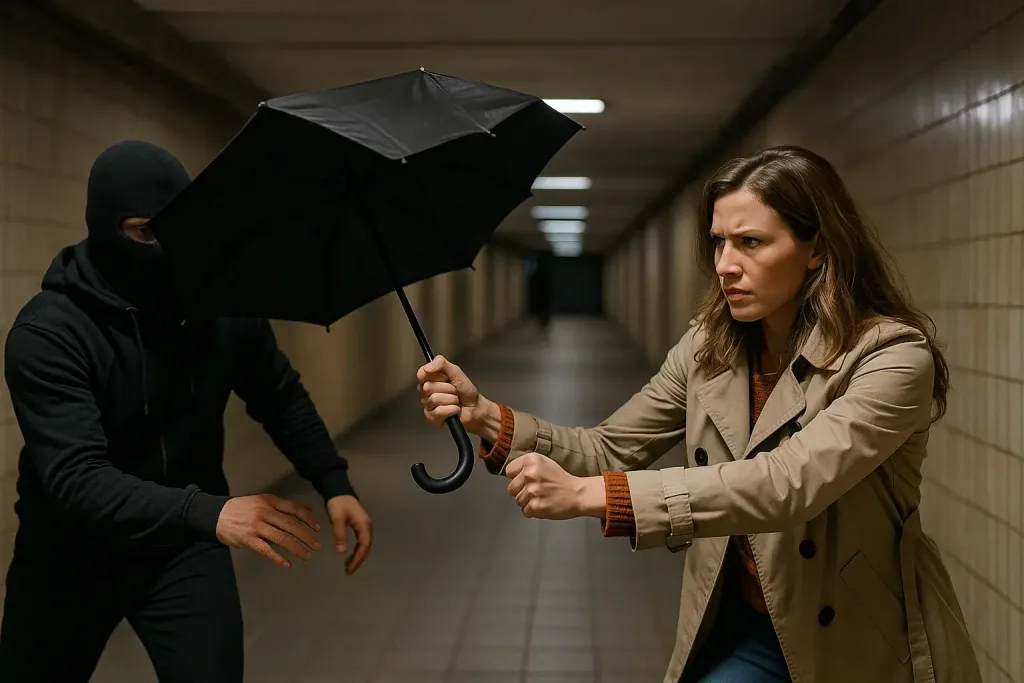
Teaching Personal Safety, Self‑Defense, and First Aid in Moscow: Practical Guide for Instructors and Organisers
Overview
This guide helps instructors, community organisers, schools, and businesses design and run effective personal safety, self‑defense, and first aid training in Moscow. It combines pedagogical best practices, local considerations, legal and logistical notes, and ready‑to‑use course structures so you can launch safe, professional programs that meet the needs of adults, children, women, seniors and expat communities.
Why a Moscow‑specific approach?
— Climate and commuting patterns influence risks: winter conditions, crowded public transport, late‑night districts, and tourist hotspots.
— Legal and cultural context matters: local weapons regulations, attitudes toward public intervention, and preferred languages (Russian + English for many expats).
— Local partnerships increase credibility: Moscow healthcare providers, sports schools (Sambo, Systema), and NGOs such as the Russian Red Cross (Российский Красный Крест).
Core principles for all courses
— Emphasise prevention and de‑escalation first. Physical techniques are last resort.
— Make training practical, scenario‑based and repetitive to build muscle memory.
— Keep first aid aligned with international basic life support (BLS) standards and local EMS protocols.
— Adapt content to participants’ age, physical ability, and legal context.
— Ensure safety, consent, medical screening, and insurance before hands‑on practice.
Legal & safety essentials (do this before launching)
— Verify instructor qualifications and keep certificates on file.
— Obtain written parental consent for minors; screen for medical contraindications.
— Use liability waivers and maintain public liability insurance.
— Check local laws on non‑lethal self‑defense tools (pepper spray, stun devices) — regulations are strict; advise participants to verify legality themselves.
— Coordinate with local EMS and have emergency protocols and a communication plan (see emergency numbers below).
Emergency numbers (Moscow)
— Unified emergency number: 112
— Ambulance: 103
— Fire: 101
— Police: 102
Make sure every participant knows how to call 112 and what information to give (location, nature of emergency, number of casualties).
Target audiences & focus areas
— Children (6–12): boundary setting, recognizing danger, escape routes, calling for help, basic first aid (stop bleeding, ice for bumps).
— Teenagers: situational awareness, assertiveness, safe use of social media, basic physical escapes, peer response.
— Women’s classes: risk awareness, verbal de‑escalation, escape techniques, legal self‑defence options, safety planning.
— Seniors: fall prevention, balance and mobility, simple self‑defence strategies, first aid for heart attacks/strokes.
— Corporate groups: workplace safety, conflict de‑escalation, CPR/AED, team drills.
— Expats: classes in English and Russian, cultural adaptation and local transport safety.
Recommended curriculum components
1. Personal safety and situational awareness
— Risk recognition, avoidance strategies, travel and home safety, digital/online safety, bystander roles.
2. Verbal de‑escalation & assertiveness
— Boundary setting, confident body language, safe communication techniques.
3. Physical self‑defence fundamentals (practical but restrained)
— Break contact, escape-first mindset, balance and leverage, targeting vulnerable areas for escape — not to injure. Emphasise legal responsibility and proportionality.
4. Basic first aid & BLS
— Scene safety, calling EMS, adult/child CPR, AED use (trainer), severe bleeding control (tourniquet or pressure), choking, shock, hypothermia/frostbite treatment, burns, splinting.
5. Scenario training & drills
— Role play in transit settings, night walking, workplace incidents, first aid simulations with manikins.
6. Prevention planning & resources
— Create personal safety plans, map safe routes, local support services, reporting procedures.
Sample course outlines
— Intro session (1.5–2 hours): Awareness + simple escape techniques + CPR demo. Good as taster.
— Four‑week course (weekly 2-hour sessions)
Week 1: Situational awareness + personal safety planning
Week 2: Verbal de‑escalation + basic escapes (standing breaks, release techniques)
Week 3: First aid basics + CPR/AED practice
Week 4: Scenario training + assessment and certificate
— Weekend intensive (8 hours): Compressed mix of self‑defense, CPR/AED, bleeding control, and scenarios.
— Kids series (6 sessions): Boundaries, safe strangers, calling for help, basic first aid for parents.
Teaching methods & assessment
— Use a mix: demonstration, partner drills, scenario‑based role play, mannequin practice, short lectures, and video.
— Keep instructor:student ratios low for hands‑on: ideal 1:6–1:10.
— End with a practical assessment and a short written checklist to reinforce skills.
— Offer refresher classes every 6–12 months, especially for CPR and bleeding control.
Equipment & venue checklist
— Mats for safe physical practice.
— CPR manikins (adult and child) and AED trainer units.
— First aid kits, tourniquets, disposable gloves, face shields.
— Pad protectors, focus mitts and shields for controlled striking practice.
— Portable sound system for large groups; AED signage for venue.
— Safe, well‑lit venues: community centres, school gyms, corporate training rooms, martial arts dojos.
Instructor qualifications & training
— First aid instructors: certified in BLS/First Aid by recognised provider