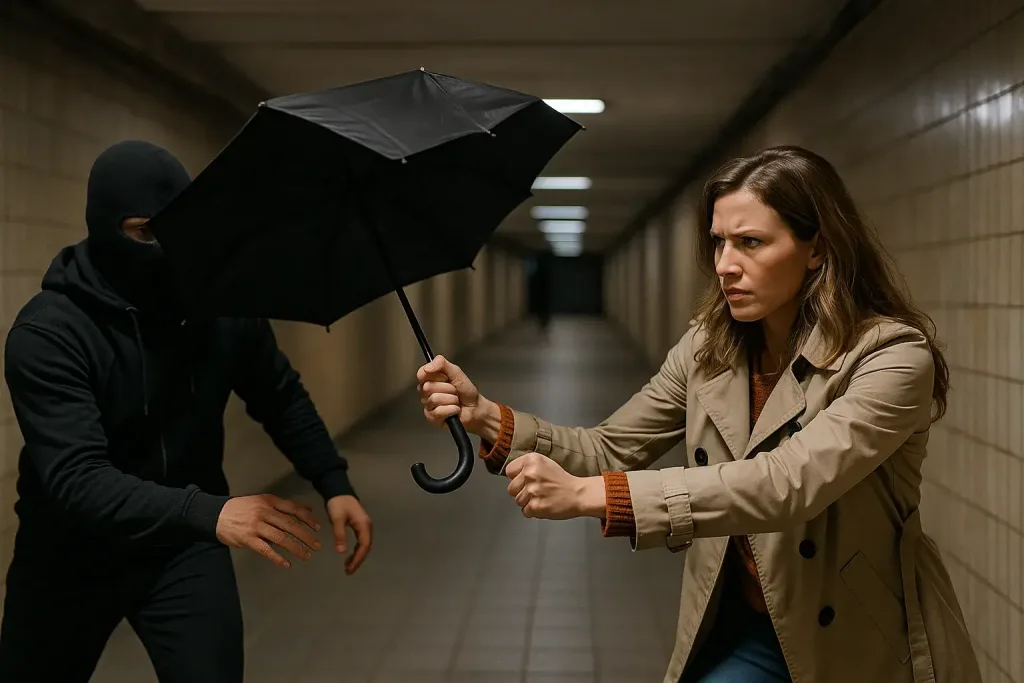
Teaching Personal Safety, Self‑Defense, and First Aid in Moscow: A Practical Guide for Instructors
Introduction
Personal safety, self‑defense and basic first aid are essential life skills in any major city — and Moscow is no exception. Crowded metros, nightlife, and tourist activity make situational awareness and immediate response skills valuable for residents and visitors alike. This guide outlines how to design, run and promote responsible, legally‑aware training programs in Moscow that prioritize prevention, escape and lifesaving care.
Who this is for
— Community organizations and NGOs
— Gym and dojo owners, martial arts instructors (Systema, judo, sambo, etc.)
— Corporate HR and safety teams offering staff training
— Schools, universities and youth centers
— Freelance trainers and first aid instructors
Core learning objectives
— Recognize and avoid risky situations through situational awareness
— Use verbal de‑escalation and boundary‑setting to reduce threat escalation
— Apply simple, escape‑focused physical self‑defense techniques suitable for all body types
— Provide immediate first aid for common urban emergencies (severe bleeding, unconsciousness, choking, cardiac arrest)
— Understand legal and ethical limits of self‑defense in Russia and how to report incidents
Recommended curriculum modules
1. Situational awareness & prevention (60–90 min)
— Risk patterns in urban environments (public transport, nightlife, isolated areas)
— Personal safety habits (routes, travel apps, buddy systems)
2. Verbal de‑escalation & boundaries (45–60 min)
— Voice, posture, and assertive language to defuse situations
3. Escape‑focused physical self‑defense (60–120 min)
— Simple, repeatable techniques to create space and exit (no emphasis on fight escalation)
— Use of personal alarms and improvised deterrents
4. First aid basics (90–180 min)
— Primary survey (safe approach, responsiveness, breathing)
— Control of severe bleeding, shock management, recovery position
— CPR basics and AED awareness (compressions, calling for help)
— Choking (adult/child) and basic wound care
5. Legal & reporting basics (30–45 min)
— Rights, when to retreat, documentation and contacting authorities
6. Scenario training & integration (60–120 min)
— Realistic roleplays combining prevention, de‑escalation, escape and first aid
Sample course formats
— Quick workshop (2 hours): Situational awareness + de‑escalation + basic first aid overview
— Weekend intensive (8 hours): Modules 1–4 condensed with scenario practice
— 8‑week course (1.5–2 hours/week): Deep skills, progressive physical work, repeated first aid practice
— Kids program (age‑appropriate): Emphasize awareness, escape, telling adults; shorter sessions, positive reinforcement
— Seniors-adapted course: Focus on fall prevention, safe movement, accessible first aid, non‑strenuous techniques
Teaching methods & assessment
— Mix short lectures, demonstrations and mostly hands‑on practice
— Safe, progressive drills; stress on escape and avoidance, not fighting prowess
— Use manikins for CPR practice and bleeding control trainers for realism
— Assess via practical tests, scenario performance and knowledge quizzes
— Offer certificates of completion; partner with recognized organizations for formal accreditation
Trainer qualifications & partnerships
— First aid instructors certified by reputable bodies (Russian Red Cross, ERC, AHA or equivalent)
— Sports coaches with credentials in relevant martial arts and experience teaching civilians
— Legal adviser to review curriculum for compliance with Russian law and liability concerns
— Partners: local gyms, community centers, schools, corporate clients, NGOs
#