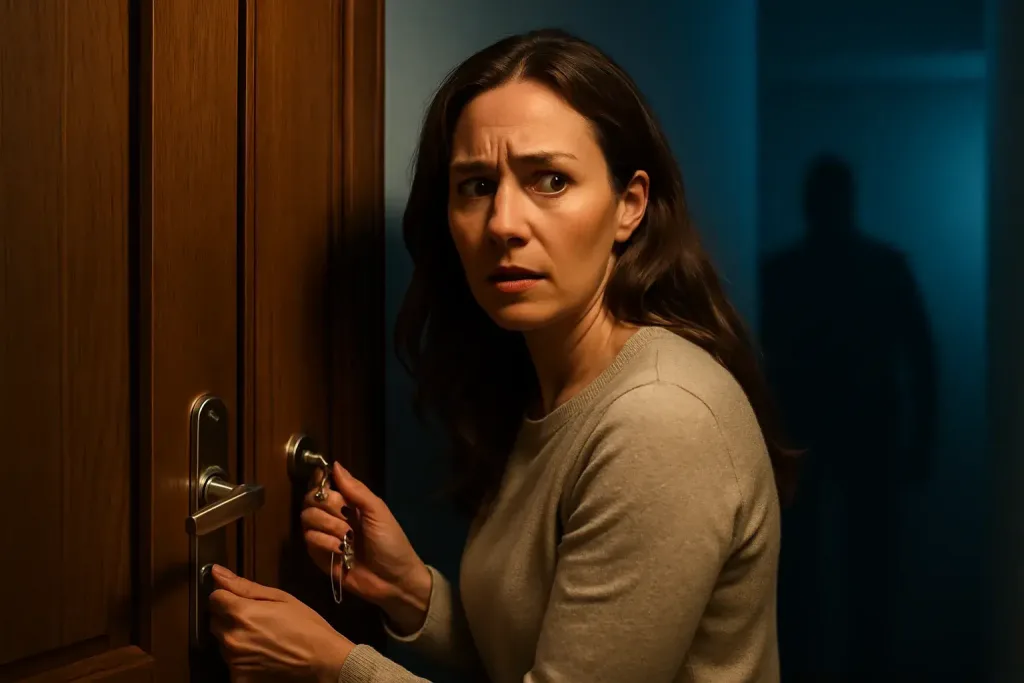
Teaching Personal Safety, Self-Defense, and First Aid in Moscow
Why this matters in Moscow
Moscow is a vibrant, busy city — many opportunities, but also everyday risks: crowded transport, late-night commutes, pickpocketing and occasional street harassment. Teaching personal safety, practical self-defense and basic first aid is about reducing risk, increasing confidence, and empowering people to protect themselves and help others until professional help arrives.
Personal safety fundamentals
— *Situational awareness:* keep your head up, avoid distractions (long phone use, headphones) in unfamiliar or crowded places.
— *Plan routes:* prefer well-lit, populated streets; on the metro, stand near stations and car doors; avoid shortcuts through parks late at night.
— *Transport safety:* use reputable taxi apps (Yandex.Taxi, Citymobil, Gett) or official services; share ride details with a friend; sit in the back seat when possible.
— *Belongings security:* use zipped bags kept in front in crowds; avoid obvious displays of valuables.
— *De-escalation:* where possible, use calm verbal techniques, maintain distance, and look for escape routes. Physical confrontation is a last resort.
— *Tools:* carry a charged phone, small flashlight, whistle or personal alarm; check local regulations before carrying sprays or stun devices.
What to teach in self-defense classes
— *Risk recognition & avoidance:* recognizing suspicious behavior, creating boundaries, escape tactics.
— *Verbal boundary-setting & de-escalation skills.*
— *Practical, repeatable techniques:* balance breaks, wrist releases, basic knee/elbow strikes, controlling escapes — techniques that work under stress and require minimal strength.
— *Ground awareness & getting up safely.*
— *Scenario training:* practice common urban situations (e.g., grabs, chokes, grabs from behind) with progressive intensity.
— *Legal and ethical considerations:* use of proportionate force, reporting incidents, documentation.
Styles commonly taught in urban self-defense programs in Moscow: krav maga, boxing/kickboxing, judo, sambo. Pick an approach that emphasizes simple, effective responses and scenario training over complex routines.
What to teach in first aid courses
Essential, practical skills everyone should learn:
— Call first: know emergency numbers (see Resources).
— Primary survey: check responsiveness, breathing, circulation — use hands-only CPR if untrained in rescue breaths.
— CPR basics: chest compressions at ~100–120/min, push hard and fast to a depth of ~5–6 cm for adults; (formal certification courses provide hands-on practice).
— Severe bleeding control: apply direct pressure, pack the wound, and use a tourniquet for life-threatening limb bleeding if trained.
— Recovery position for an unconscious but breathing person.
— Choking relief for adults and children (techniques differ by age).
— AED awareness: how to switch on and follow prompts; importance of early defibrillation.
— Basic treatment for fractures, burns, hypothermia, and shock; safe handling until medical help arrives.
Train with mannequins and realistic scenarios — repetition builds muscle memory.
How to choose a good course or instructor in Moscow
— Look for certified instructors (medical personnel for first aid; experienced coaches for self-defense).
— Small groups and hands-on practice are essential.
— Curriculum should include scenario drills, stress practice, and legal context.
— Check reviews, ask for demo lessons, and verify language options (Russian/English).
— Ask about recertification and ongoing practice sessions.
Legal and practical considerations (Russia/Moscow)
— Familiarize yourself with local laws and the limits of lawful self-defense; generally, force must be proportionate to the threat. If unsure, consult a legal professional.
— Always prioritize escape and getting to safety; physical defense is a last resort.
— Report crimes to police and preserve evidence (photos, witness names, CCTV if available).
— Carry emergency contacts and know how to quickly call for help.
Practical starter plan (8 weeks)
—