Teaching Personal Safety, Self‑Defense & First Aid in Moscow: A Practical Guide for Instructors and Community Leaders
Введение
Personal safety, basic self‑defense and first aid are life‑changing skills. In a large city like Moscow, targeted, legally informed and practical instruction helps residents — adults, students, seniors and children — reduce risk, respond calmly in emergencies and save lives.
Почему это важно в Москве
— High population density and busy transport hubs increase exposure to pickpocketing, harassment and accidents.
— Seasonal factors (icy sidewalks, dark winter evenings) raise injury risk.
— Rapid response and correct first aid often make a critical difference before ambulance arrival.
Юридическая и этическая основа
— *Self‑defense in Russia* is allowed when protecting oneself or others, but force must be proportionate and necessary. Avoid teaching techniques intended to cause undue harm or retaliation.
— Emphasize de‑escalation, escape and contacting authorities over prolonged confrontation.
— Always include consent, child protection and safeguarding policies when training minors.
Кому ориентирован курс
— Women and vulnerable groups (focus on prevention and escape)
— Students and commuters (situational awareness, responses in public transport)
— Seniors (fall prevention, simple escapes, adapted first aid)
— Parents/teachers (child safety and age‑appropriate training)
— Workplace teams (evacuation, basic first aid, active‑threat awareness)
Как спроектировать курс — основные компоненты
— Learning objectives: what participants should *know* and *do* after the course.
— Legal & ethical briefing (5–10 min).
— Situational awareness and avoidance strategies.
— Practical self‑defense (breakaway, balance, using voice).
— First aid essentials (CPR, bleeding control, shock, choking).
— Role plays, scenario training and progressive stress drills.
— Assessment, certification and follow‑up resources.
Примерный 6‑недельный план для взрослых (по 90 мин)
Week 1: Threat recognition, avoidance, personal safety routines (home, commute, nightlife).
Week 2: Verbal assertiveness, boundary setting, using voice and body language.
Week 3: Breakaways, escapes from grabs, falling safely.
Week 4: Basic striking for escape, defending against common holds (wrist, bear hug) — emphasis on minimal force.
Week 5: First aid—DRS‑AB (Danger, Response, Send for help), CPR basics (30:2), choking, bleeding control.
Week 6: Scenario training, legal briefing, resources, refresher & assessment.
Детский курс (6–8 лет и 9–12 лет)
— Age‑appropriate content: safety rules, “safe strangers”, how to get help, practicing loud, clear calls for help.
— Non‑violent breakaway techniques and escape routes.
— Simple first aid basics: how to call emergency numbers, treating cuts and bruises, recognizing when an adult must be sought.
Курс для пожилых
— Emphasize fall prevention, mobility‑friendly techniques, joint‑safe escapes and low‑impact strength/balance work.
— First aid focus on stroke, heart attack recognition, CPR adapted to abilities.
Базовые навыки первой помощи (минимум каждый участник должен уметь)
— Проверка сознания и дыхания, вызов экстренной помощи (112; 103 for ambulance; 102 for police; 101 for fire).
— CPR: chest compressions 30:2 if trained; use AED if доступен.
— Контроль кровотечения: прямое давление, бинтование.
— Иммобилизация при подозрении на перелом (по возможности).
— Признаки шока и как действовать: положение, тепло, немедленная эвакуация.
— Алгоритм при удушье (приемы для взрослого/ребенка по международным рекомендациям).
Практические приёмы самозащиты (правила обучения)
— Преимущество — *побег*, не соревнование.
— Простые, повторяемые техники: освобождение от захватов запястья, от удерживающего захвата, использование ладони и локтя для удара в уязвимые точки (нос, подбородок, пах — только для экстренной защиты).
— Умение использовать предметы окружения: мобильный телефон, ключи, фонарик, свисток/пейджер‑сигнал.
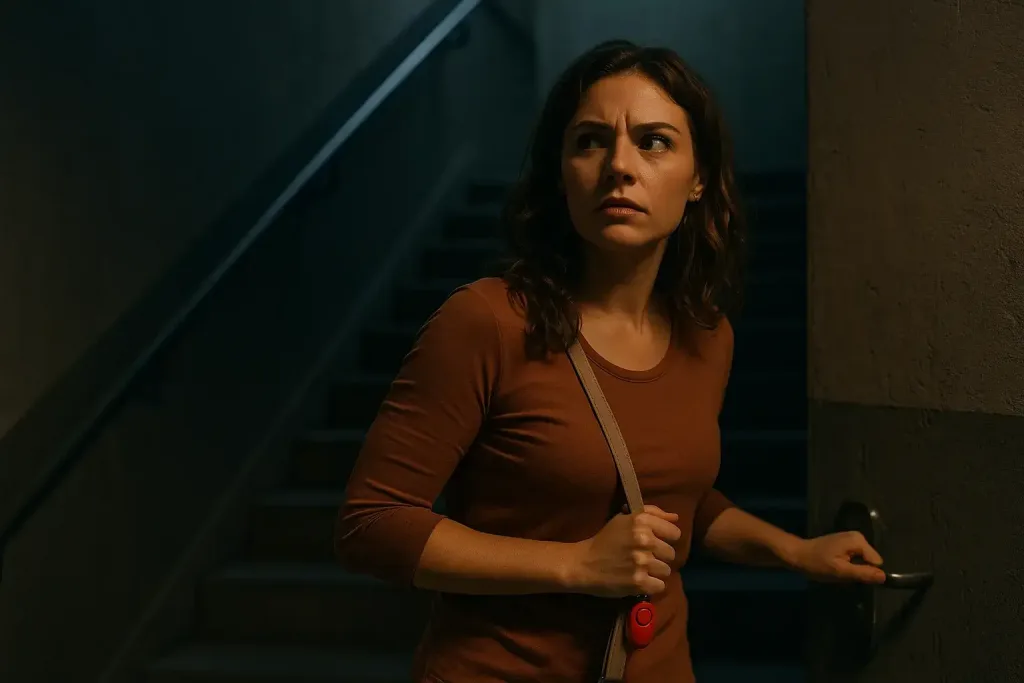
— Тренировать ситуации с широкой вариативностью: на лестнице, в транспорте, в подъезде.
Оборудование и аптечка — чеклист
— Манекен и/или тренажёр для отработки CPR.
— Набор для остановки кровотечения: стерильные салфетки, бинты, жгут‑турникет (инструкции по использованию).
— Перчатки, маска CP R/барьер для искусственного дыхания, ножницы, лента‑фиксатор.
— Пульсоксиметр/термометр (по желанию).
— Персональные сигнализаторы, яркие фонарики, свистки для классов самозащиты.
Поиск сертифицированных инструкторов и партнёрств в Москве
— Ищите тренеров с сертификатами от признанных организаций: Российский Красный Крест, Европейский совет по реанимации (ERC), American Heart Association (AHA) или локальные медицинские учебные центры.