Personal Safety, Self-Defense, and First Aid: Practical Skills for Living Safely in Moscow
Why this matters in Moscow
Moscow is a vibrant, busy city — excellent public transport, late-night culture, and large parks. That also means situational risks: crowded metro stations, late-night streets, seasonal hazards (icy sidewalks in winter, heat waves in summer). Learning practical personal-safety habits, simple self-defense strategies, and basic first aid dramatically reduces risk and increases confidence.
Quick-action checklist (carry and practice)
— Keep your phone charged and unlocked; share your location with a trusted contact when traveling late.
— Memorize emergency numbers: *112* (unified emergency), *102* (police), *103* (ambulance), *101* (fire/rescue).
— Carry a compact first-aid kit, a bright flashlight, a whistle or personal alarm, and a portable charger.
— Learn and practice basic first-aid and CPR with a certified provider.
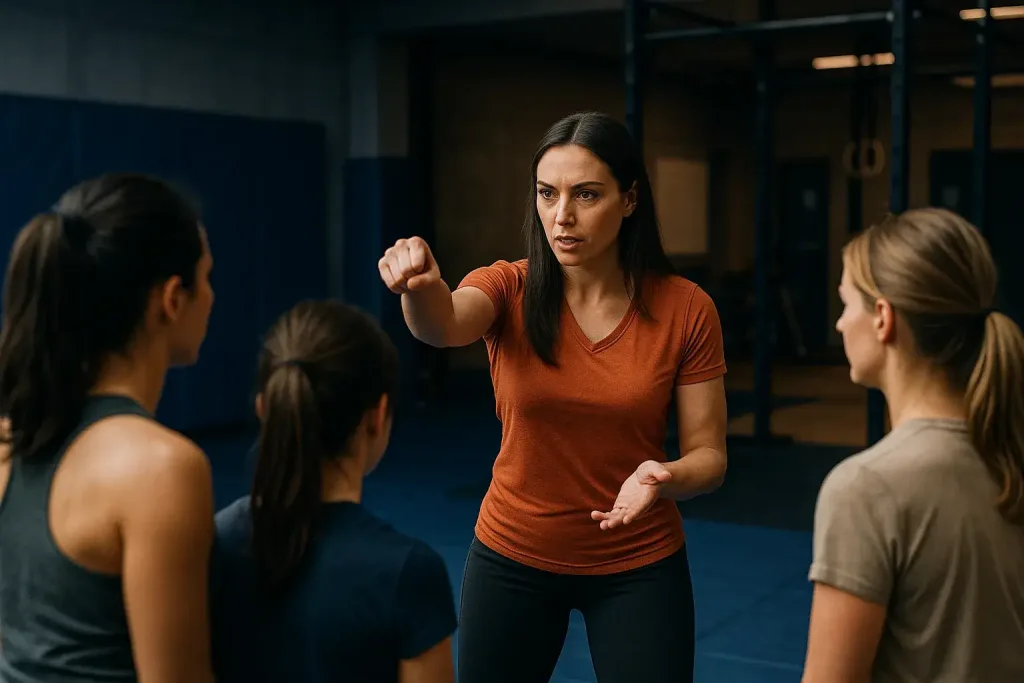
— Enroll in a self-defense course focused on escape and avoidance, not fighting.
Personal-safety habits for Moscow
— Plan routes and prefer well-lit, populated streets late at night. Use main streets and known routes to metro stations.
— In the Metro: keep bags closed in front of you, avoid sleeping in empty carriages at night, and be mindful during crowded hours.
— Night transport: use official ride-hailing services (check driver and car details), sit in the back and share trip details with someone.
— Avoid distracted walking (phone in hand) in crowded places and near traffic/ice. Stay aware of exits and people around you.
— Trust instincts: if a situation feels off, leave and seek help nearby (shop, café, station staff).
Self-defense basics (mindset + practical)
— Focus on *prevention* and *escape* — removing yourself from danger is the goal.
— Awareness: scan your surroundings, identify exits, and keep an eye on people who are too close.
— Verbal de-escalation: use a calm, assertive voice, set boundaries, and create space (e.g., “Stop. Back off.”).
— Body language: stand tall, walk confidently, keep hands visible to avoid appearing vulnerable.
— Simple physical techniques to prioritize in training:
— Break free from grabs (wrist and clothing releases).
— Use your weight and stance to flee, not to wrestle.
— Strikes targeted to easy-to-hit, disabling areas (eyes, nose, throat, knees) only to create a window to escape.
— Ground-escape basics: get up safely and move to safety.
— Practice situational drills and scenario training with a certified instructor rather than improvised or online-only methods.
First aid essentials everyone should know
Emphasize fast, calm action. The priority sequence is: ensure scene safety → check responsiveness → call emergency services → provide essential care.
— CPR (adult): If unresponsive and not breathing normally:
— Call 103/112 (or have someone call), begin chest compressions: 30 compressions at 5–6 cm depth and 100–120/min.
— Give 2 rescue breaths after 30 compressions if trained; otherwise hands-only CPR is effective. Use an AED if available.
— Severe bleeding:
— Apply direct pressure with a clean cloth.
— If bleeding is life-threatening and extremity bleeding persists, apply a tourniquet above the wound if trained.
— Keep the person lying down and monitor for shock.
— Choking (conscious adult):
— Encourage coughing if possible.
— If ineffective, perform abdominal thrusts (Heimlich maneuver) or chest thrusts if needed. Seek training before attempting.
— Shock, fractures, burns, frostbite:
— For shock: keep the person warm, lying down, elevate legs if no suspicion of spine/leg fracture.
— For suspected fractures: immobilize and seek medical help.
— For burns: cool with running water (not ice), cover with sterile dressing.
— For frostbite/hypothermia in winter: move to warmth, remove wet clothing, warm gradually; do not rub.
AEDs and public help in Moscow
— AEDs are increasingly present in public spaces (airports, large shopping centers). If available, use them — they give clear voice prompts.
— When calling