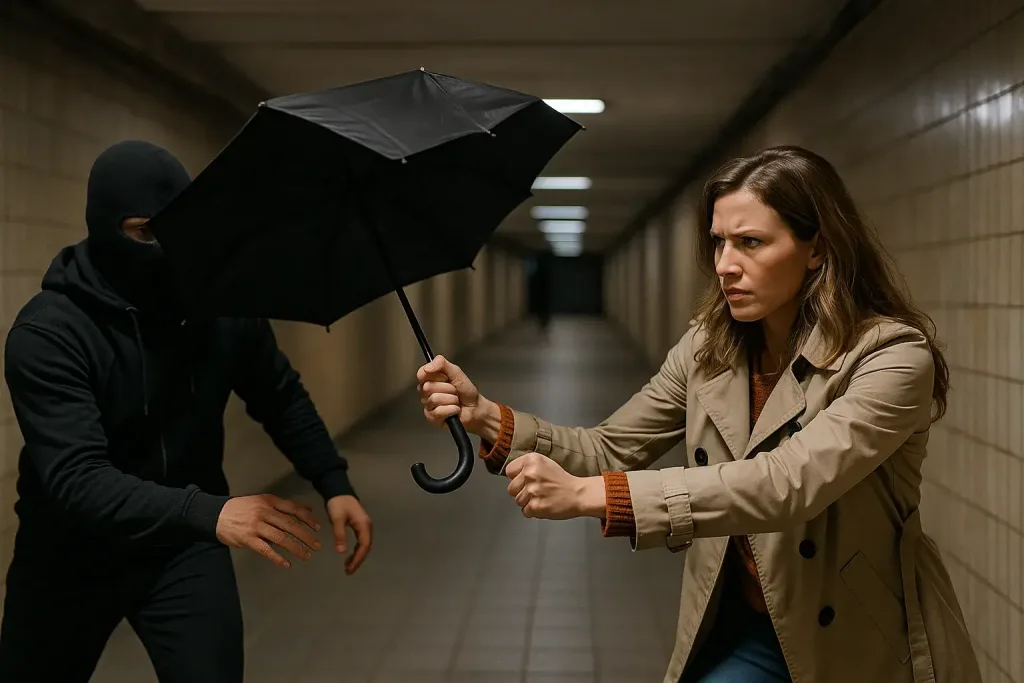
Teaching Personal Safety, Self‑Defense, and First Aid in Moscow: A Practical Guide for Instructors and Organizers
Overview
Teaching personal safety, self‑defense, and first aid in Moscow is about building confidence, reducing risk, and equipping people to react safely and legally in emergencies. Effective programs combine awareness, verbal and de‑escalation skills, escape‑oriented physical techniques practiced with qualified supervision, and certified first‑aid training. This guide covers key components, program design, local considerations for Moscow, safety and legal points, and how to find reputable partners.
Core learning goals
— Situational awareness and risk reduction habits
— Verbal boundary setting and de‑escalation skills
— Escape‑oriented, non‑escalatory physical responses practiced safely
— Basic first aid: recognizing emergencies, activating help, and performing trained interventions (through certified courses)
— Legal and reporting considerations specific to Russia
— Building confidence, resilience, and the ability to get help quickly
Structuring a balanced program
— Warm‑up and physical readiness: mobility, balance, fall safety (low impact).
— Awareness and prevention: environment scanning, planning routes, safe use of transport, smartphone and belongings safety.
— Communication and boundary skills: assertive language, body language, bystander engagement tactics.
— De‑escalation techniques: tone, distance management, creating exits—focus on reducing harm.
— Practical movement drills: focus on escapes, releasing grips, and running to safety—taught at a high level with progressive, supervised practice.
— First aid module: recognition of life‑threatening conditions, how to call emergency services, basic bleeding control and recovery position—provided by certified instructors or in partnership with Red Cross/medical trainers.
— Scenario training and role play: realistic but controlled scenarios to rehearse decision making and escape, emphasizing non‑violence where possible.
— Legal & reporting guidance: overview of rights, when to contact police, preserving evidence, and post‑incident care.
Teaching principles and safety
— Start with consent and psychological safety: explain drills clearly, get explicit participant consent for contact work, and offer opt‑outs.
— Make safety paramount: padded mats, progressive intensity, and medical screening for participants.
— Emphasize escape and avoidance over “fighting” — the goal is to create opportunities to flee and summon help.
— Use qualified instructors: self‑defense coaches with experience in teaching, and medical professionals for first aid.
— Debrief every session: discuss what went well, emotional reactions, and referrals for further support if needed.
First aid — what to include (teach via certified providers)
— How to recognize an emergency and how to call for help (Moscow: emergency number 112 for unified emergencies; ambulance services often reachable via 103).
— Basic life‑support awareness: why CPR and automated external defibrillator (AED) training matter — recommend certified CPR courses rather than only classroom talk.
— Bleeding control and wound care basics: prioritizing calling for help and applying direct pressure — learn these from hands‑on Red Cross or accredited first‑aid instructors.
— Recovery position and monitoring breathing — taught practically by medical trainers.
— When and how to provide first aid safely without putting yourself at risk.
Legal and reporting considerations (high‑level)
— Emphasize proportionality and necessity: use of force in self‑defense in Russia is subject to legal standards; instructors should encourage participants to prioritize escape and call authorities.
— Teach how to document incidents: safe steps to preserve evidence, take photos, and note witnesses.
— Encourage participants to seek legal advice after serious incidents. Provide a list of local legal aid resources and victim support organizations.
Moscow‑specific logistics and partners
— Partner with established organizations for certification and credibility: Russian Red Cross (Российский Красный Крест), local hospitals, and municipal sports centers.
— Look for local dojos and clubs that offer women’s self‑defense, krav maga, judo, aikido, or boxing for fitness and practical movement training—ensure instructors have teaching and safeguarding credentials.
— Connect with community centers, universities (sport departments), expatriate groups, and women’s NGOs to publicize classes.
— Consider bilingual options: many participants in Moscow may prefer Russian; offer English or other languages where demand exists.
How to evaluate instructors and providers
— Credentials: ask for instructor certifications, teaching experience, and first‑aid/CPR credentials.
— Safety record and child‑safeguarding policies if teaching minors.
— Curriculum transparency: request a syllabus showing focus on avoidance, escape, and first aid integration.
— Reviews and references: look for participant testimonials and partnerships with reputable local institutions.
Practical tips for participants (concise checklist)
— Prioritize awareness: plan routes, charge your phone, share ETA with someone you trust.
— Take a certified first‑aid/CPR course and a reputable self‑defense class with hands‑on practice.
— Carry basic emergency info: ICE contact, any medical conditions, and a compact first‑aid kit.
— Report serious incidents to police and seek medical attention; preserve evidence when safe to do so.
— Practice escape‑focused skills and verbal boundary setting regularly.
Program ideas and formats
— Single‑day intensive workshops: awareness + basic first aid + intro escape drills.
— Multi‑week courses: progressive skills, repeated practice, scenario work, and first‑aid certification.
— Community outreach: free or low‑cost sessions