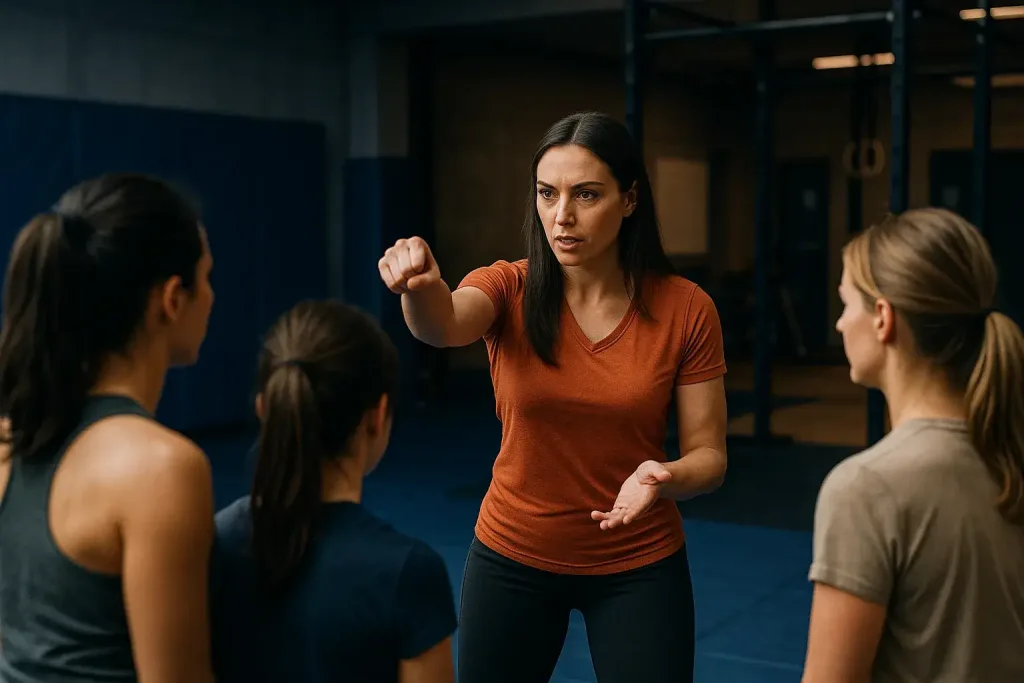
Personal Safety, Self‑Defense, and First Aid in Moscow: Practical Guidance and Local Resources
Введение
Living, working or studying in Moscow is safe for millions, but being prepared makes you safer and more confident. This guide gives practical, legal and local advice on personal safety, basic self‑defense and essential first aid skills, and points you to reliable resources in Moscow.
Emergency numbers (keep them handy)
— 112 — unified emergency number (works across Russia)
— 103 — ambulance (paramedics)
— 102 — police
— 101 — fire/rescue (МЧС)
Save these in your phone and tell family/friends where you are if something happens.
Legal context (short and important)
Russian law permits actions in necessary self‑defence to prevent imminent danger. Two key principles:
— Proportionality — the force used must be no greater than necessary to stop the threat.
— No intent to exceed necessary defence — deliberately injuring an attacker beyond what’s needed can lead to criminal liability.
If in doubt after an incident, contact a lawyer. For detailed interpretation, consult a legal professional familiar with Russian Criminal Code.
Situational awareness — everyday habits that keep you safe
— Stay alert: limit distractions (headphones, phone) in busy or poorly lit places.
— Plan routes: prefer well‑lit streets, main roads and stations. Use mos.ru maps or official metro apps for alternatives.
— Public transport: keep bags zipped and in front of you; avoid showing expensive items on crowded platforms.
— Taxis: use official apps (Yandex.Taxi, Citymobil, Gett), check car and driver details before entering, share your ride with a trusted contact.
— Night safety: walk with others where possible, choose main streets, and avoid shortcuts through parks or empty underpasses.
— Trust instincts: if a situation feels wrong, leave and seek public, populated areas.
— De‑escalation: use calm, assertive language, avoid aggression unless physically necessary.
Practical self‑defense basics (what to learn and practice)
Focus on simple, effective actions you can rely on under stress.
— Awareness and avoidance: recognize risky situations early and create distance.
— Voice and boundary setting: a loud, confident command can deter many attackers.
— Breakaways from grabs: wrist releases, dropping weight, turning toward the attacker can create opportunities to escape.
— Balance and stance: learn how to keep your feet and center of gravity to resist being pushed or thrown.
— Basic striking targets: nose, chin, throat, groin, shins — simple palm strikes, heel‑of‑palm, low kicks.
— Ground survival: how to get back to your feet quickly and protect yourself if on the ground.
— Scenario practice: simulated escapes from holds, chokes and grabs — practiced under supervision builds reflexive responses.
Recommended training styles: Krav Maga, boxing, judo, sambo, wrestling — choose certified instructors who emphasize realistic scenarios, escape and avoidance rather than competitive sport moves.
First aid essentials everyone should know
Take an accredited course (see resources below). Key skills:
— Scene safety and calling for help: secure area, call 112/103, give clear location (landmarks, metro station, address).
— CPR (adults): check responsiveness, call for help, if not breathing normally start chest compressions — 30 compressions / 2 breaths (or hands‑only 100–120 compressions/min if untrained). Continue until help arrives or an AED is available.
— Severe bleeding: apply direct pressure, pack wound with clean cloth, use a tourniquet for life‑threatening limb bleeding if trained.
— Shock: keep the person warm, lay them flat with legs elevated if no spinal injury is suspected.
— Choking: for conscious adults use abdominal thrusts (Heimlich) or back blows; for infants follow age‑appropriate sequence.
— Burns: cool with running water 10–20 minutes for thermal burns (don’t apply ice), cover with sterile dressing.
— Fractures: immobilize limb, avoid moving if spinal injury suspected; splint if necessary.
— AEDs: learn how to use an automated external defibrillator—many public places now have AEDs.
Important: practical hands‑on training (Red Cross, certified instructors) is far superior to reading alone.
What to carry (practical kit)
— Charged phone and power bank; emergency contacts saved.
— Small first‑aid kit: bandages, sterile dressings, gloves, antiseptic wipes, adhesive tape, triangular bandage, CPR face shield.
— Tourniquet (for those trained) and